



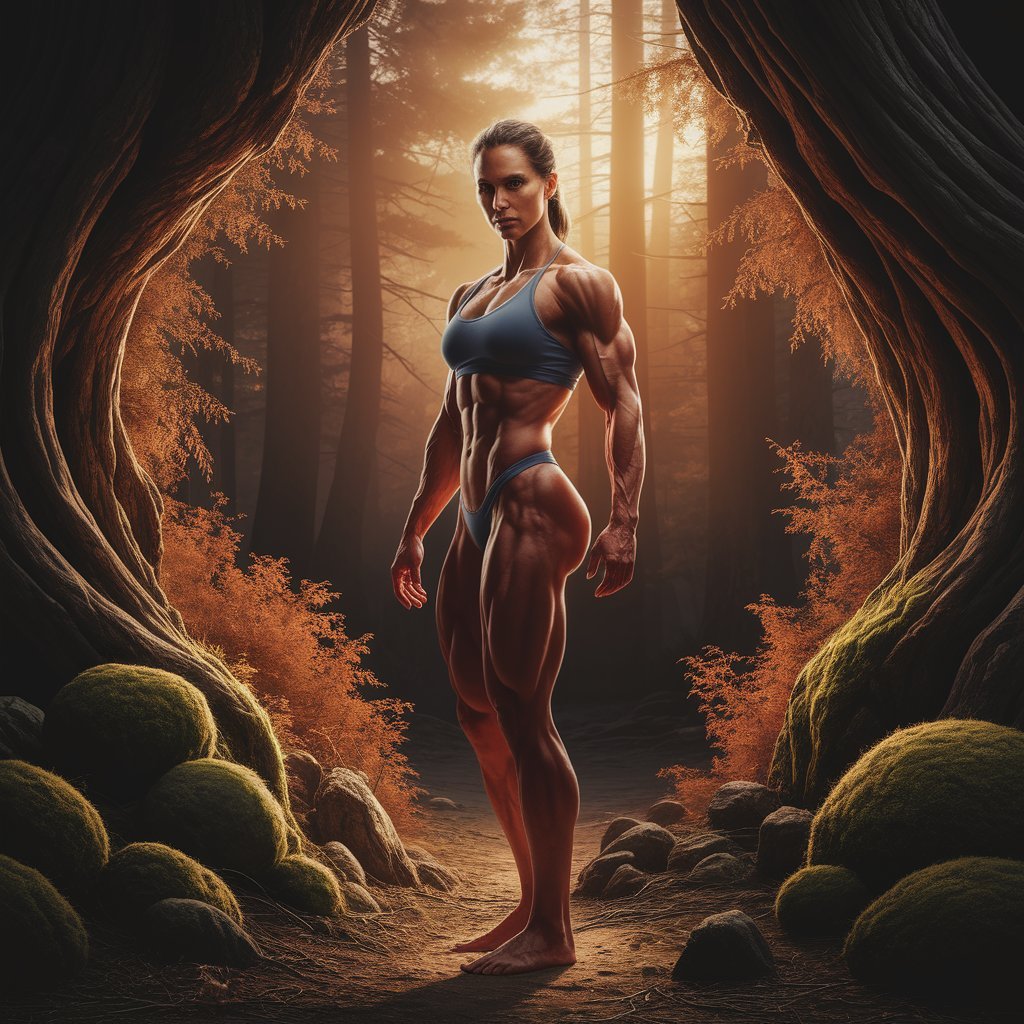

GirlsWithMuscle is a search term commonly associated with online content featuring muscular women, female bodybuilding, strength training, fitness, and athletic physiques. In 2026, interest in women’s strength sports continues to span bodybuilding, powerlifting, CrossFit-style training, weightlifting, and general fitness. For people searching for GirlsWithMuscle, understanding the broader fitness topic can be useful because female muscularity is not limited to one training style or one body type.
This GirlsWithMuscle 2026 guide explains what the term generally refers to, why muscular women attract attention online, how women develop strength and muscle, the role of nutrition and recovery, and important considerations when evaluating fitness content. Whether you are interested in bodybuilding, athletic performance, or simply learning more about female muscle development, this guide provides an informative overview.
What Does GirlsWithMuscle Mean?
GirlsWithMuscle is generally used as a descriptive online keyword for content involving women with visibly developed muscular physiques. Depending on the website, social platform, or search result, the term may refer to bodybuilding photographs, fitness inspiration, athletes, training content, or communities centered around female strength and muscularity.
It is important to remember that women who build significant muscle can come from many different athletic backgrounds. A competitive female bodybuilder may prioritize hypertrophy and physique presentation, while a powerlifter focuses heavily on maximal strength. An Olympic weightlifter develops explosive power, and a general fitness enthusiast may simply want to become stronger and healthier. These different goals can produce very different physiques.
The term therefore describes a broad subject rather than one specific training method. When researching GirlsWithMuscle, users should pay attention to the particular context of the page or platform they are viewing.
Why Are Muscular Women Popular Online?
The popularity of female strength and muscularity has grown alongside the wider fitness culture on social media. Platforms allow athletes and creators to share training sessions, competition preparation, transformation journeys, nutrition strategies, and educational material with audiences around the world.
Another reason is changing attitudes toward women’s athleticism. Strength and muscular development were historically associated more strongly with men, but modern sports have demonstrated that women can achieve exceptional levels of strength, muscle development, endurance, and athletic performance.
Fitness communities also provide motivation. Seeing an athlete document months or years of consistent training can encourage others to establish their own exercise routines. However, online images represent only one part of an athlete’s journey. Genetics, training history, nutrition, recovery, posing, lighting, and competition preparation can all influence appearance.
For that reason, comparing your body directly with an online fitness model or athlete can create unrealistic expectations. A healthier approach is to use fitness content for education and motivation while recognizing that individual results differ.
How Women Build Muscle and Strength
Female muscle development follows the same basic physiological principle as other forms of resistance training: muscles adapt when they are exposed to an appropriate training stimulus and given sufficient recovery and nutrition. A structured resistance-training program can include exercises such as squats, deadlifts, presses, rows, pull-ups, lunges, and other movements.
Progressive overload is an important concept. This means gradually increasing the training challenge over time through additional weight, repetitions, sets, improved technique, or other appropriate adjustments. Consistency is generally more important than constantly changing exercises.
Women may have different average hormonal profiles and body-composition characteristics from men, but women can still develop substantial muscle through consistent resistance training. The exact result depends on genetics, training experience, nutrition, recovery, age, and individual goals.
A beginner does not need an extreme program. Learning proper technique, starting with manageable resistance, and gradually progressing can provide a strong foundation for long-term development.
Nutrition and Recovery for Female Muscle Growth
Training is only one part of building muscle. Nutrition and recovery are equally important components of a sustainable fitness program. Adequate protein provides amino acids needed for muscle repair and growth, while carbohydrates and fats contribute to energy and overall nutrition.
A balanced diet can include protein-rich foods such as eggs, dairy products, fish, meat, beans, lentils, tofu, and other suitable foods. Fruits, vegetables, whole grains, and healthy sources of fats can contribute important vitamins, minerals, fiber, and energy.
Recovery is also essential. Muscles need time between demanding sessions to adapt. Quality sleep, adequate food intake, hydration, and sensible training volume can all support recovery.
Extreme diets are not necessary for everyone pursuing strength or muscle development. People with specific nutritional requirements or medical considerations should seek advice from a qualified healthcare or nutrition professional rather than copying a diet from an influencer.
GirlsWithMuscle and Different Types of Female Athletes
One of the most interesting aspects of the GirlsWithMuscle topic is the diversity of female athletic physiques. Bodybuilding typically emphasizes muscular development, symmetry, proportions, and physique presentation. Different bodybuilding divisions also have different judging criteria and expectations.
Powerlifters train primarily around strength in movements such as the squat, bench press, and deadlift. Their physiques can vary considerably because competitive performance—not a particular appearance—is the primary objective.
Weightlifters focus on explosive movements such as the snatch and clean and jerk. Their training develops power, coordination, mobility, and strength. Meanwhile, athletes in sports such as sprinting, gymnastics, wrestling, and functional fitness can also develop highly muscular physiques as a result of sport-specific training.
This variety demonstrates that there is no single definition of a strong female body. Different sports reward different physical qualities, and individual athletes can pursue completely different goals.
Benefits and Considerations of Strength Training for Women
Regular resistance training can provide numerous physical benefits when performed appropriately. These can include improvements in muscular strength, functional capacity, bone health, balance, and physical performance. Strength training can also complement other forms of exercise and help people perform everyday activities more comfortably.
For beginners, the most important consideration is learning correct movement patterns. Poor technique combined with inappropriate loads can increase injury risk. A gradual approach is generally more practical than immediately attempting very heavy weights.
It is also important to separate fitness information from online marketing. Not every influencer’s training routine, supplement recommendation, transformation claim, or nutrition advice is appropriate for everyone. Before following a demanding program, consider whether it matches your experience level and goals.
How to Follow GirlsWithMuscle Content Responsibly in 2026
If you use GirlsWithMuscle-related content for inspiration, focus on training knowledge, athletic achievements, consistency, and healthy habits rather than judging people solely by appearance. Verify fitness claims through reliable sources and be cautious with promises of extremely rapid muscle growth or dramatic transformations.
Privacy and content context are also important when browsing online. Make sure that images and information come from legitimate sources and avoid sharing or reposting personal material without appropriate permission. Respect for athletes and creators should remain part of responsible online fitness culture.
For anyone starting a strength program, setting realistic goals can make the process more sustainable. Instead of trying to reproduce another person’s exact physique, track improvements such as better technique, increased strength, improved endurance, or greater consistency.
Frequently Asked Questions About GirlsWithMuscle
What is GirlsWithMuscle?
GirlsWithMuscle is a search term generally associated with women who have developed muscular or athletic physiques, particularly in contexts involving bodybuilding, strength training, and fitness.
Can women build significant muscle?
Yes. Women can develop substantial muscle through consistent resistance training, appropriate nutrition, and adequate recovery. The amount of muscle gained varies considerably between individuals.
What exercises help women build muscle?
Common resistance exercises include squats, presses, rows, deadlifts, lunges, pull-ups, and other progressive strength exercises. The best program depends on an individual’s goals and experience.
Does lifting weights make women bulky?
Muscle gain depends on many factors, including genetics, training, nutrition, and time. Developing a highly muscular physique generally requires consistent, purposeful training over a substantial period.
Is female bodybuilding the same as general fitness?
No. Female bodybuilding is specifically focused on developing and presenting a muscular physique, while general fitness can include strength, cardiovascular health, mobility, endurance, and overall physical wellbeing.
Should beginners copy professional athletes’ workouts?
Not necessarily. Professional athletes often have years of experience and specialized programs. Beginners should generally start at an appropriate level and progress gradually with good technique.
Conclusion
GirlsWithMuscle 2026 represents a broad online interest in female muscularity, bodybuilding, strength, and athletic performance. The subject includes many different types of women—from competitive bodybuilders and powerlifters to recreational lifters and athletes in other sports.
The most useful way to understand the topic is to look beyond appearance and recognize the training, nutrition, recovery, discipline, and athletic goals behind muscular development. Whether your interest is bodybuilding, strength training, or general fitness, reliable information and realistic expectations are more valuable than chasing a particular online image. In 2026, female strength continues to represent a diverse area of fitness, with athletes pursuing many different definitions of performance and physical development.