



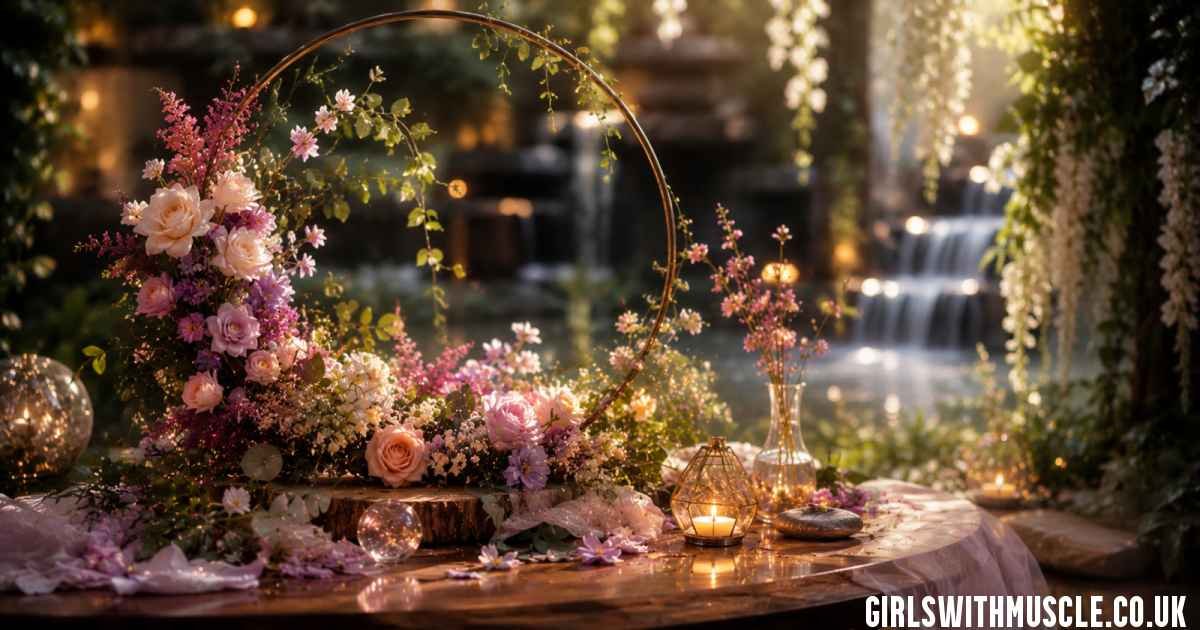

Fleurism has become one of the most talked-about wellness and lifestyle trends of 2026, transforming the way people think about flowers. Rather than focusing on expensive bouquets or decorative arrangements alone, Fleurism encourages the intentional use of flowers, floral rituals, and nature-inspired practices to support mental health, creativity, home aesthetics, and everyday happiness.
As more people seek balance in a fast-paced digital world, Fleurism offers a simple and affordable way to reconnect with nature. From therapists and interior designers to influencers and everyday households, millions are embracing this flower-powered movement. If you’re wondering what Fleurism is, why it’s trending in 2026, and how to start practicing it, this complete guide covers everything you need to know.
What Is Fleurism? Meaning and Core Philosophy
The word Fleurism comes from the French word “fleur,” meaning flower. At its core, Fleurism is the intentional practice of using flowers and floral energy to improve wellness, mindfulness, creativity, and aesthetics.
The movement is built around three core pillars:
- Floral Wellness: Using flowers to reduce stress, improve mood, encourage mindfulness, and promote emotional healing.
- Floral Aesthetics: Bringing natural beauty, color, texture, and elegance into homes, workplaces, fashion, and digital spaces.
- Floral Connection: Living according to seasonal rhythms and nature instead of being driven entirely by screens, deadlines, and algorithms.
Unlike traditional flower arranging, Fleurism emphasizes daily interaction with flowers rather than occasional decoration. Whether it’s placing a single stem on your desk, drinking floral tea, or practicing gratitude beside a bouquet, the focus is on creating intentional moments that improve everyday life.
Why Fleurism Is Trending in 2026
Several factors have turned Fleurism into one of 2026’s fastest-growing wellness movements.
The first is the growing demand for mental health support. Reports referenced throughout wellness communities suggest that spending just five minutes around fresh flowers may reduce cortisol levels by approximately 25%, helping people feel calmer and less stressed.
The second driver is digital fatigue. After years of remote work, endless scrolling, and constant notifications, people crave something tangible. Flowers engage multiple senses through their colors, textures, and fragrances, making them a natural tool for mindfulness.
Another reason is sustainability. Modern consumers increasingly choose local flowers, dried arrangements, seasonal blooms, and zero-waste decorating practices, making Fleurism an environmentally conscious lifestyle.
Finally, social media has fueled rapid growth. The #Fleurism hashtag has reportedly surpassed 2.7 billion views across TikTok and Instagram, with trends like flower baths, gratitude bouquets, floral journaling, and single-stem minimalism inspiring millions worldwide.
7 Proven Benefits of Fleurism
One reason Fleurism continues gaining popularity is its combination of beauty and practical wellness benefits.
Stress Reduction: Arranging or simply observing flowers can activate the body’s relaxation response, helping lower stress and anxiety.
Mood Improvement: Bright flowers like sunflowers, daisies, pink roses, and tulips introduce uplifting colors associated with positive emotions and increased happiness.
Better Sleep: Evening rituals featuring lavender, chamomile, and jasmine are commonly used to encourage deeper, more restful sleep.
Greater Creativity: Writers, artists, students, and designers often create a Fleurism workspace using one or two flowers to refresh focus and reduce creative blocks.
Healthier Living Spaces: Fresh flowers naturally add warmth and positive energy, making homes feel more welcoming and peaceful.
Natural Beauty: Fleurism extends into skincare through rose water, floral oils, botanical facial mists, and edible flower teas, combining wellness with self-care.
Stronger Community: Flower arranging circles, seasonal workshops, and gratitude bouquets encourage meaningful social connections, replacing screen time with shared experiences.
6 Popular Fleurism Practices You Can Start Today
One of Fleurism’s greatest strengths is that you don’t need a garden or expensive flowers to participate.
Fleurism Therapy combines flower arranging, scent work, and reflective journaling to process emotions.
Fleurism Decor focuses on elegant simplicity with single-stem vases, dried flower walls, and seasonal centerpieces that create calm without clutter.
Fleurism Fashion incorporates floral prints, fresh flower accessories, pressed flower jewelry, and the growing trend of 3D floral couture.
Fleurism Kitchen celebrates edible flowers including hibiscus, nasturtium, lavender, rose petals, and violets, commonly used in teas, desserts, infused water, jams, and salads.
Digital Fleurism brings flowers into virtual life through AI-generated floral wallpapers, meditation apps, mood-based flower recommendations, and augmented reality bouquets.
Fleurism Rituals include weekly habits like the Sunday Flower Reset, morning gratitude with a vase of fresh blooms, and relaxing flower baths during the full moon.
How to Start Fleurism: 5-Step Beginner Guide
Starting Fleurism doesn’t require a large budget. Most people begin with less than $10 and only a few minutes each day.
Step 1: Choose your Flower Anchor based on the emotion you want to cultivate.
- Lavender = Calm
- Sunflower = Joy
- Rose = Self-love
Step 2: Create a dedicated Fleurism Corner using a small table, vase, notebook, and candle to establish a peaceful daily ritual.
Step 3: Practice the 3S Method:
- See the flower carefully.
- Smell it deeply.
- State one thing you’re grateful for.
Repeat this simple exercise for two minutes each day.
Step 4: Add one floral habit each week, whether buying seasonal flowers, brewing floral tea, changing your phone wallpaper, or decorating with dried blooms.
Step 5: Join the Fleurism community through #Fleurism, flower arranging workshops, or online wellness challenges.
Pro Tip: Preserved and dried flowers often last between 6–12 months, making them a budget-friendly and sustainable choice.
Top Fleurism Trends Dominating 2026
Fleurism continues evolving with exciting innovations.
Popular trends include:
- Warm Minimalism featuring a single white tulip or lily inside handcrafted ceramic vases.
- Foraged Fleurism, encouraging locally gathered wildflowers and native plants.
- Monochrome Bouquets designed around a single color to support different moods.
- Fleurism Tech, where AI recommends flowers based on emotional wellbeing.
- Subscription Fleurism Boxes combining flowers, herbal teas, candles, and mindfulness cards.
- Office Fleurism, with companies creating floral wellness rooms to reduce workplace stress.
Many brands are also introducing Fleurism-inspired candles, essential oils, diffusers, clothing collections, and home décor.
Fleurism vs Other Wellness Trends, Best Practices, and Future Outlook
Unlike meditation, aromatherapy, or home décor individually, Fleurism combines mental wellness, home design, creativity, mindfulness, and nature into one lifestyle.
| Trend | Primary Focus | Typical Cost |
|---|---|---|
| Meditation | Mind | Free–$100 |
| Aromatherapy | Scent | $20–$80 |
| Home Decor | Appearance | $100+ |
| Fleurism 2026 | Mind + Body + Home + Nature | $5–$30 |
To practice Fleurism sustainably:
- Buy local and seasonal flowers whenever possible.
- Use dried, preserved, or potted flowers to reduce waste.
- Choose hypoallergenic flowers like orchids, roses, and tulips if allergies are a concern.
- Learn flower symbolism such as Lilies for peace and Daisies for new beginnings.
- Reuse petals for tea or crafts instead of discarding them.
- Practice gratitude when flowers naturally fade, recognizing the beauty of seasonal cycles.
Looking ahead, experts predict exciting developments including Healthcare Fleurism, where hospitals integrate flowers into recovery spaces, AI Fleurism Coaches that recommend flowers based on mood analysis, and school wellness programs introducing floral mindfulness to help students manage stress.
Final Verdict: Is Fleurism Worth Trying in 2026?
Yes. If you’re looking for an affordable way to improve your mood, reduce stress, refresh your home, and reconnect with nature, Fleurism is one of the most accessible wellness trends of 2026.
You don’t need professional gardening skills or expensive floral arrangements. All you need is one flower, five minutes, and a willingness to slow down. Whether you choose a calming sprig of lavender, a cheerful sunflower, or a timeless rose, Fleurism encourages small daily rituals that can make a meaningful difference.
In an increasingly digital world, Fleurism reminds us that beauty, growth, mindfulness, and happiness can begin with a single bloom.